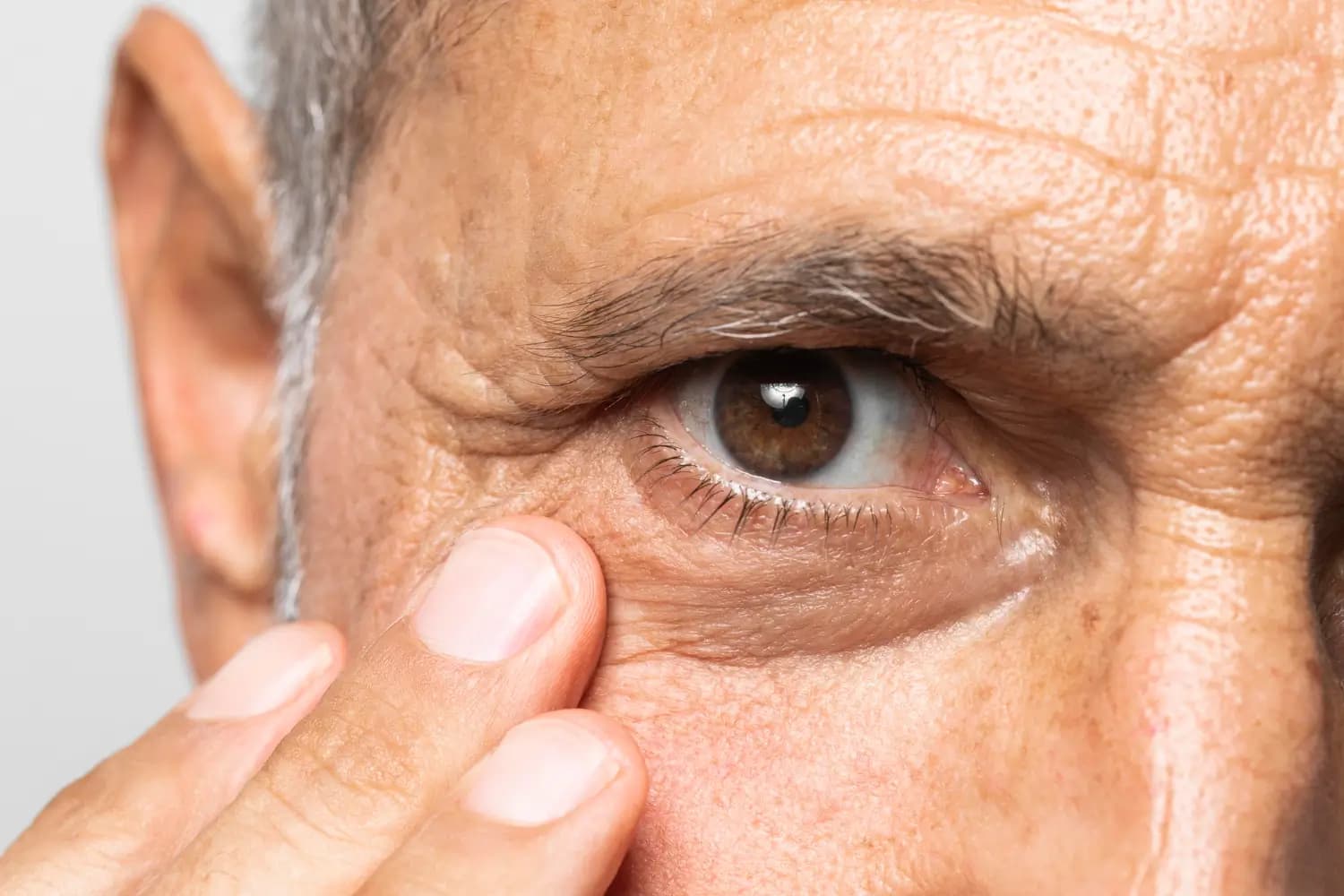
Cataract is one of the most common eye diseases, affecting mainly older people, but it can also occur in younger patients. It is a gradual clouding of the eye's lens that causes deteriorating vision. The good news is that early diagnosis and modern treatment can completely restore vision.
What is a cataract?
Cataract is a process in which the clear eye lens gradually becomes cloudy. The lens loses its transparency, which prevents light from reaching the retina in sufficient quality. The result is blurred vision, loss of contrast, and a feeling of 'foggy' sight.
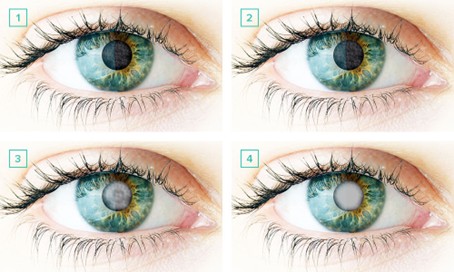
The most common cause is natural aging, but other factors include:
- prolonged exposure to UV radiation,
- diabetes,
- smoking,
- use of certain medications,
- eye injuries,
- genetics.
First signs of cataract
Cataract usually develops slowly and subtly. The most common symptoms include:
- Blurred or foggy vision
- Reduced sharpness and contrast
- Deteriorated vision in the dark
- Sensitivity to light, glare
- Faded colors or changes in color perception
- Difficulty reading without stronger light
- Feeling of 'dirty' or dull glass in front of the eye
Patients often describe that they 'see as if through foggy glasses'.
How is cataract diagnosed?
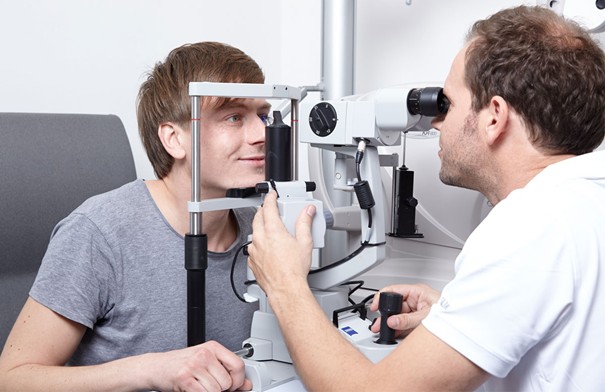
Diagnosis is simple, painless, and takes only a few minutes. In the eye clinic, the following is performed:
- visual acuity examination,
- slit lamp examination (allows seeing lens clouding),
- intraocular pressure measurement,
- retina examination.
Early diagnosis is crucial – especially if vision deterioration is attributed to 'normal aging'. Many problems may be caused by cataract itself.
Cataract treatment: what helps and what doesn't?
1. Eye surgery – modern, fast, and very effective
The only effective treatment for cataract is surgical removal of the clouded lens and its replacement with a new, artificial lens (intraocular lens).
Today's procedures have:
- high success rate,
- quick recovery,
- minimal risks,
- painless process.
The procedure takes approximately 10–15 minutes and the patient usually goes home the same day.
2. Drops and dietary supplements do not cure cataract
Contrary to some advertisements, drops to 'dissolve cataract' do not exist. They may temporarily improve comfort, but they do not remove the lens clouding itself.
How to prevent cataract development?
Although complete prevention does not exist, the process can be slowed down:
- wear sunglasses with UV filter,
- maintain stable blood sugar levels (especially diabetics),
- don't smoke,
- supplement with antioxidants (vitamins C, E, lutein, zeaxanthin),
- attend regular eye examinations after age 40.
When to visit an eye doctor?
Examination is recommended especially if:
- you have foggy or blurred vision,
- you need more light for reading,
- you see worse in the dark,
- colors and contrast are deteriorating,
- you have double vision in one eye,
- you are over 50 years old.
Early diagnosis can significantly improve treatment outcomes.
Eye Clinic at Mlynská dolina Polyclinic – expert care for your vision
The Eye Clinic at Mlynská dolina Polyclinic offers comprehensive care for patients with cataract – from diagnosis to treatment recommendations and postoperative check-ups.
Thanks to modern equipment and experienced specialists, we help patients safely address vision problems and improve quality of life.