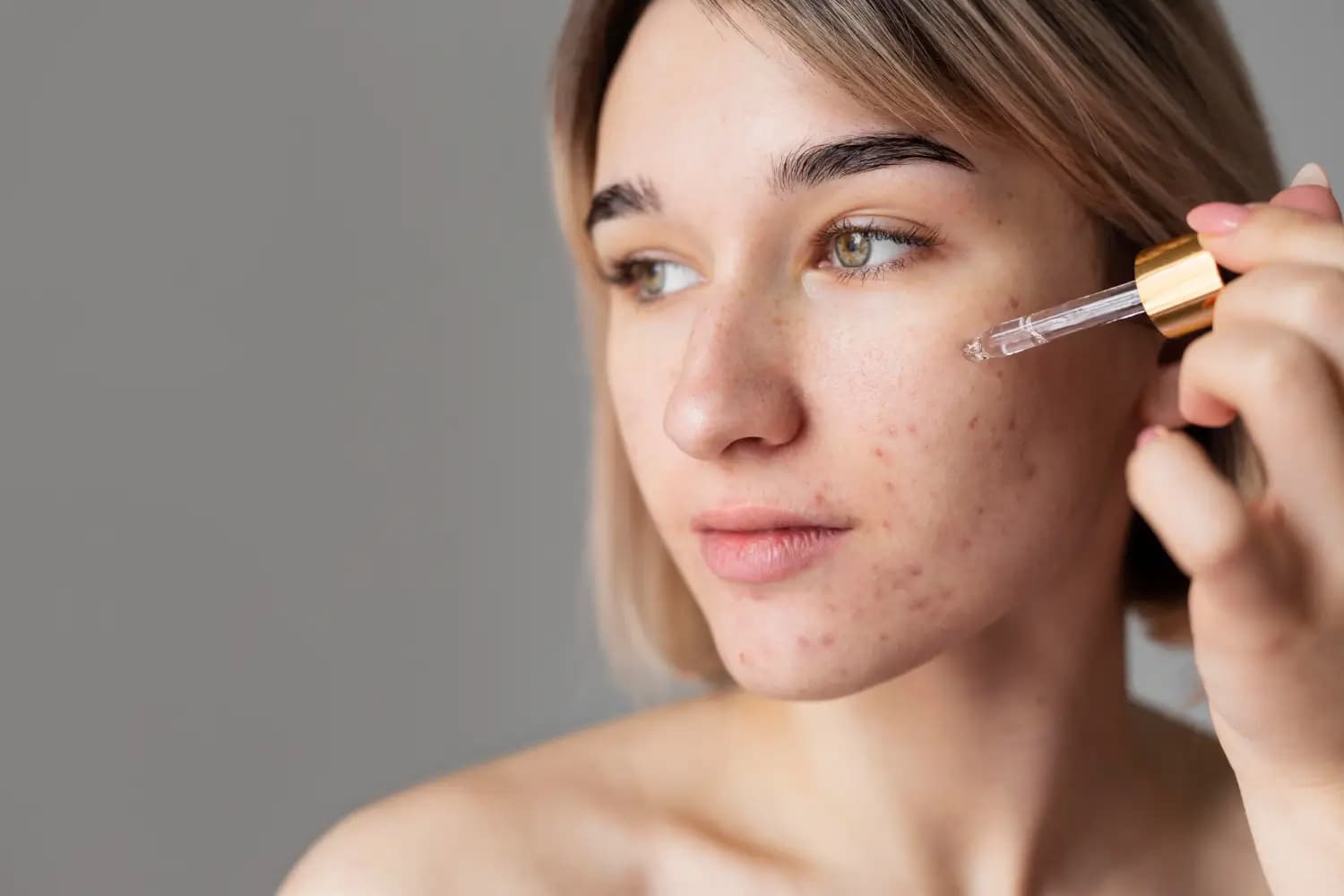
Acne is one of the most common skin conditions. Although it is most associated with puberty, in recent years it has increasingly appeared in adults as well. It is a chronic inflammatory skin disease in which the hair follicle and sebaceous gland duct becomes blocked, leading to inflammation and rash formation.
It most commonly affects the face, back, chest and shoulders — areas with the highest concentration of sebaceous glands.
Why does acne occur? Main causes
The development of acne is complex and influenced by several factors. Most often it is a combination of these causes:
1. Hormonal fluctuations
- Puberty
- Pregnancy
- Menopause
- Excessive hormone fluctuations due to stress or lack of sleep
Elevated androgen levels stimulate sebaceous glands and increase sebum production.
2. Overgrowth of Cutibacterium acnes bacteria
This bacterium is naturally present on the skin, but with excessive sebum production it multiplies very quickly and causes inflammation.
3. Inappropriate diet and lifestyle
- high sugar intake,
- dairy products,
- processed foods,
- excess trans fats,
- lack of sleep,
- stress.
Diet has a significant impact on hormonal balance and inflammation in the body.
4. Food intolerances and allergies
Hidden intolerance can chronically burden the immune system and worsen the complexion.
5. Lack of key nutrients
Lack of antioxidants and important vitamins (A, C, E, zinc) weakens the skin's ability to fight inflammation.
6. Digestive disorders and irregular bowel movements
If the digestive tract does not function properly, toxins return to the body and can manifest on the skin.
How is acne treated? It's not enough to suppress symptoms – you need to remove the cause
Most common treatments address only surface symptoms – creams, gels, antibiotics or retinoids. These methods can temporarily reduce inflammation, but they don't remove the cause that triggers acne.
Comprehensive treatment should include:
✔ Dietary adjustments
Reduce:
- dairy products,
- sweets and refined sugar,
- highly processed foods,
- alcohol.
Increase:
- green vegetables,
- omega 3 fatty acids from fish,
- zinc,
- vitamins A, C, E.
✔ Antioxidant supplementation
They help reduce inflammation and support skin regeneration:
- Vitamin A - liver, eggs, butter
- Vitamin C - spinach, peppers, broccoli, citrus fruits
- Zinc - meat, seafood, pumpkin seeds
- Vitamin E - nuts, vegetable oils
✔ Digestive care
Regular bowel movements and healthy gut microflora are essential for clear skin.
Teas can help from:
- calendula,
- burdock,
- curly dock,
- echinacea.
✔ Natural help for acne
- Tea tree oil - has antibacterial properties
- Aloe vera gel - reduces inflammation and speeds healing
- Evening primrose oil - helps stabilize hormones
✔ Gentle, non-aggressive skin care
Inappropriate peels and aggressive cleansers dry out the skin, which then produces even more sebum. Natural oils and gentle cleansers are suitable.
10 foods that help fight acne
- acai
- avocado
- beetroot
- blueberries
- broccoli
- fish (salmon, sardines, mackerel, tuna)
- green tea
- kale
- nuts
- spinach
It's enough to include them in your diet at least once a day.
When to seek a specialist?
Acne can be a signal of a deeper problem – hormonal, digestive or metabolic.
Professional examination is advisable especially when:
- acne persists for more than 3 months,
- it leaves scars,
- it is painful and inflamed,
- common creams or dermocosmetics are not effective,
- you suspect hormonal imbalance or food intolerance.
In such cases, the best approach is examination by a dermatologist or comprehensive health assessment.
Expert help at Mlynská dolina Polyclinic
At Mlynská dolina Polyclinic we have clinics and specialists who focus on diagnosis and treatment of skin problems including acne. We will help you uncover the real cause, establish appropriate treatment and recommend lifestyle adjustments that will improve the quality of your skin and overall health.
If you are struggling with acne and want to find out its cause, you can contact the specialists at our polyclinic.